Services We Offer
Allergy Testing
At San Tan Allergy and Asthma our providers work collaboratively to determine the cause of persistent allergy and asthma symptoms in order to develop an individualized treatment plan to provide you and your family with relief. We treat a variety of skin, respiratory and GI conditions as well as conditions involving the immune system. Our top-rated and experienced providers are committed to providing the highest-quality care to improve our patient’s quality of life, and our exceptional client reviews are a testament to that. Let our team help you achieve the same results!



Testing
✔ Food Challenge Testing
Food allergies are often difficult to diagnose with blood testing or skin testing alone. In many instances, skin or blood testing may result in the “over-diagnosis” of food allergies. Some kids may actually outgrow their food allergies before their blood or skin tests become negative. Because skin tests and blood tests are imperfect the providers at San Tan Allergy & Asthma offer food challenge testing as an additional measure to definitively determine whether someone may be allergic to a food or not (or whether a food allergy may be outgrown).

Spirometry Lung Function Test
The first type of test, called spirometry, allows us to measure the amount of air a person can get in and out of the lungs; this type of test is also called a lung function test. Most kids and adults over the age of 5 years are able to perform this type of test. Often, we will perform the test twice; once before the administration of a medication called albuterol and once afterwards to determine if lung function improves. This test can help us to determine if we need to be concerned about asthma or other types of lung disorders.
A food challenge generally involves giving the patient very small amounts of the food that they are suspected of being allergic to. Gradually they are given increasing amounts of the food and monitored for any type of allergic reaction.
To read more about food challenge testing, see our informational sheet.
Exhaled Nitric Oxide Measurement Testing
The second type of test, called exhaled nitric oxide measurement or eNO, allows us to determine if the breathing tubes inside your lungs are inflamed, which may be a sign of asthma. It specifically tells us whether you need a certain kind of medication to reduce the inflammation. It also allows us to determine if we can safely reduce asthma medications. Because eNO is a newer technology many insurances are not yet covering it. Fortunately, the cost is quite low and if it is felt to be necessary your provider will discuss the test further with you. If you are interested in asthma testing, please call our office. To read more about exhaled nitric oxide click on the link below: http://www.niox.com/en-US
A food challenge generally involves giving the patient very small amounts of the food that they are suspected of being allergic to. Gradually they are given increasing amounts of the food and monitored for any type of allergic reaction.
To read more about food challenge testing, see our informational sheet.
Patch testing is a type of allergy test performed to determine if someone may have a delayed type of reaction to a chemical or in some cases to a food.
It is most effective at determining if someone may be having a skin reaction caused by a chemical such as a perfume or dye. It usually involves applying a standard series of tests to the skin (using a patch). The patch is left on the skin for 48 hours and any reactions are measured when the patch is removed. It sometimes requires multiple visits to read and interpret the tests. At San Tan Allergy & Asthma we can do patch testing to several different types of materials, such as: chemicals, metals, sunscreens, dental materials, and foods. If there is a test you feel is appropriate that we may not do, you can always suggest it so it can be made available.
In certain instances, such as when eosinophilic GI disease (EGID) is diagnosed, patch testing for foods may be necessary to help determine if a delayed type of allergic reaction may be causing an allergic reaction. The physicians at San Tan Allergy & Asthma offer this type of test as an additional measure to try and determine the cause of the allergic inflammation causing EGID.
A food challenge generally involves giving the patient very small amounts of the food that they are suspected of being allergic to. Gradually they are given increasing amounts of the food and monitored for any type of allergic reaction.
To read more about food challenge testing, see our informational sheet.
Treatment

Allergen Immunotherapy
At San Tan Allergy & Asthma, we offer allergy shots as a long-term treatment option for the management and potential cure of allergies.

Eczema Care
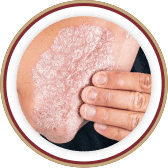
At San Tan Allergy & Asthma our providers strive to find the cause of bothersome skin conditions like allergic contact dermatitis…
Immune Deficiency
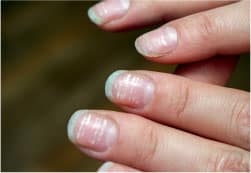
Our physicians are board-certified immunologists and they seek to find treatment for immune deficiencies found…

Oral Immunotherapy
San Tan Allergy & Asthma is excited to offer a new option for the management of food allergies…
Contact Us | Get Scheduled

Schedule an Appointment
Welcome to San Tan Allergy & Asthma and thank you for choosing our practice! Please provide your contact information here to schedule a New patient appointment at one of our locations and one of our front office staff members will call you within the next business day to assist you. We look forward to treating you and hope we can help you!



