

Conditions We Treat

The providers at San Tan Allergy & Asthma treat a variety of allergic conditions including asthma, allergic rhinitis (also known as hayfever), food allergies, insect allergies, eczema, sinus disease, immune deficiency syndromes, hives and swelling reactions, and medication allergies.

Asthma

Asthma is the most common chronic condition amongst children and affects between 6-8% of all Americans.

Patients with asthma may experience symptoms of coughing, wheezing, shortness of breath, and/or chest tightness.

Although there is no single cause for asthma, allergies seem to play a significant role in at least 2/3 of patients. Genetics and family history are also important. Pollution, environmental tobacco smoke exposure, respiratory infections, and exposure to strong scents or chemicals can also play a role.

There are two major components of asthma that result in the symptoms described above. Inflammation, often caused by allergies, results in swelling and excessive mucous production inside the airways (breathing tubes inside the lungs also called bronchioles). This swelling and mucous makes it difficult to breathe. The inflammation also causes muscles that surround the bronchioles to become “twitchy” so that they contract or squeeze the breathing tubes making it even more difficult to breathe.

Fortunately, most cases of asthma can be controlled. Achieving control requires a comprehensive approach, which includes identification and avoidance of known asthma triggers, and in some cases the use of medications or allergen immunotherapy to control the inflammation. Skin testing may be performed to identify potential allergic triggers and lung function testing may be performed to help guide therapy. The providers at San Tan Allergy & Asthma will do their best to formulate a comprehensive treatment plan to control your (or your child’s) asthma.

Download an asthma action plan here.

Links:

Allergy and Asthma Network, Mothers of Asthmatics:
http://www.aanma.org/

American Lung Association:
http://www.lungusa.org/

American Acadamy of Allergy, Asthma, and Immunology (AAAAI):
http://www.aaaai.org/patients.stm

American College of Allergy, Asthma and Immunology (ACAAI):
http://www.acaai.org/patients/Pages/Default.aspx

Allergic rhinitis/Hayfever

Allergic rhinitis (AR), also known as hay fever (or just “allergies”), is a very common problem in Arizona. It has been estimated that up to 50% of all Americans have at least one allergy.

Allergies are caused by your immune system reacting against proteins in the air (like pollens or animal dander) that normally should not cause an immune response.

Allergies can affect people differently. Some people may experience mild symptoms of itchy eyes or nose, sneezing or cold symptoms and may only have symptoms at certain times of the year. Others may have more severe symptoms and may have a difficult time concentrating or functioning due to the severity of their symptoms. Fortunately, there are many options that can help patients control and potentially even cure their allergies.

In the Phoenix, Arizona area, the most common triggers for allergies include grass pollen, certain tree pollens (such as olive, ash, mulberry), weed pollens (like sagebrush, ragweed, creosote and others), and molds (which commonly grows outdoors in grass and on other vegetation). Cats and dogs are also a common indoor trigger for symptoms.

The staff and providers at San Tan Allergy & Asthma can identify whether or not you may have allergies as the cause of your symptoms and will help to formulate a treatment plan that best suits your needs. Skin testing may be recommended to help identify the cause of your symptoms. Medications can be very effective for many patients who suffer from AR and avoidance of known allergens may be recommended when possible.

Allergen immunotherapy (also known as allergy shots) is one of the most effective long-term solutions to controlling allergic rhinitis. It is effective in 80-85% of patients and involves the injection of concentrated amounts of allergen proteins into the body to teach the immune system to stop reacting against those things. Although allergy shots do involve a significant commitment, it is the only proven method to reduce or cure allergies long term.

Check the local pollen counts here

Other Links:

American Acadamy of Allergy, Asthma, and Immunology (AAAAI):
http://www.aaaai.org/patients.stm

American College of Allergy, Asthma and Immunology (ACAAI):
http://www.acaai.org/patients/Pages/Default.aspx

Sinus problems

Many patients with allergies will have problems with recurrent sinus infections, also known as sinusitis.

Sinuses are air-filled cavities inside your skull that normally function to warm and humidify the air that you breathe in. The cavities are lined with the same type of tissue that lines your nasal passages and as such are prone to the same kind of inflammation that can occur with nasal allergies or allergic rhinitis.

If the sinuses become too inflamed and too much mucous builds up inside the sinuses, infection can occur. Sinus infections are commonly caused by bacteria, although molds and fungus can also cause infection especially in patients with allergies to certain types of molds (known as allergic fungal sinusitis). Viruses can also contribute to sinus infections which is why your doctor may not want to prescribe an antibiotic unless you have had symptoms for more than 10 days (the typical duration of a viral infection is about a week).

Symptoms of sinusitis include pressure inside the head, usually beneath or above the eyes, tenderness of the upper teeth, fatigue, bad breath, drainage of mucous into the back of the throat, nasal congestion and occasionally headache. Some patients who have had chronic sinus problems may also describe a loss of sense of taste or smell, especially if they develop polyps inside their nasal cavities. Polyps are benign (non-cancerous) outgrowths of inflammatory tissue into the sinus cavities.

The treatment of sinusitis depends on the factors that caused it. The providers at San Tan Allergy and Asthma have extensive experience in managing sinus problems and often work closely with ear, nose and throat (ENT) specialists to provide patients with sinus problems the relief they seek. If allergies are a cause, immunotherapy (allergy injections) may be a worthwhile treatment to explore. Some patients have an allergy to aspirin or other anti-inflammatory medications such as ibuprofen or NSAIDs that can contribute to their sinus difficulties. The providers at San Tan Allergy & Asthma do offer a treatment specifically designed to treat chronic sinus disease associated with this type of allergy.

For more information visit any of the following sites:

American Acadamy of Allergy, Asthma, and Immunology (AAAAI):
http://www.aaaai.org/patients.stm

American College of Allergy, Asthma and Immunology (ACAAI):
http://www.acaai.org/patients/Pages/Default.aspx

Atopic Dermatitis/Eczema

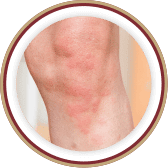
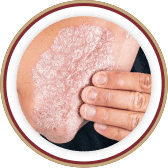
Eczema, also known as atopic dermatitis (AD), is the most common chronic skin condition that affects children. AD is often the first sign of allergy in kids and can be a sign that other allergic problems may develop over time.

AD is an itchy rash often associated with dry, cracking skin. The itching that occurs with AD is very intense and difficult to control. The itch often interferes with sleep and when severe AD can interfere with a child’s normal growth and development.

Although there is no “cure” for eczema, it can be controlled. It is important that kids with AD are evaluated for possible allergies, including food allergies or environmental allergies that may be contributing to the skin inflammation. Additional factors that can complicate eczema include skin infections and excessive dryness of the skin.

All of the providers at San Tan Allergy & Asthma are prepared to manage even the most severe cases of atopic dermatitis. Dr. Jain has served on the Board of Directors of the National Eczema Association and both Dr. Jain and Dr. Shimamoto trained at National Jewish Health in Denver, Colorado, one of the few eczema centers in the country.

For more information visit www.nationaleczema.org

Food Allergies and Intolerances

According to a recent study from the Journal of the American Medical Association (JAMA. 2010;303(18):1848-1856.), the prevalence of food allergy may be overestimated. While allergists in the United States would agree that food allergy issues seem to be increasing, most would also point out that much of what people consider “food allergy” may instead be a food intolerance or non-allergic issue. Yet, food allergy remains an important problem in children and adults, and can be life threatening. Methods of testing (including skin testing and blood testing) for food allergies have their limits. In some cases a trial of the food under supervision may be necessary to definitively prove whether an allergy is present or not (food challenge testing).

The doctors at San Tan Allergy & Asthma can help determine whether your (or your child’s) symptoms may be related to a food allergy or not and can help identify which foods should be avoided.

Visit www.foodallergy.org for more information